
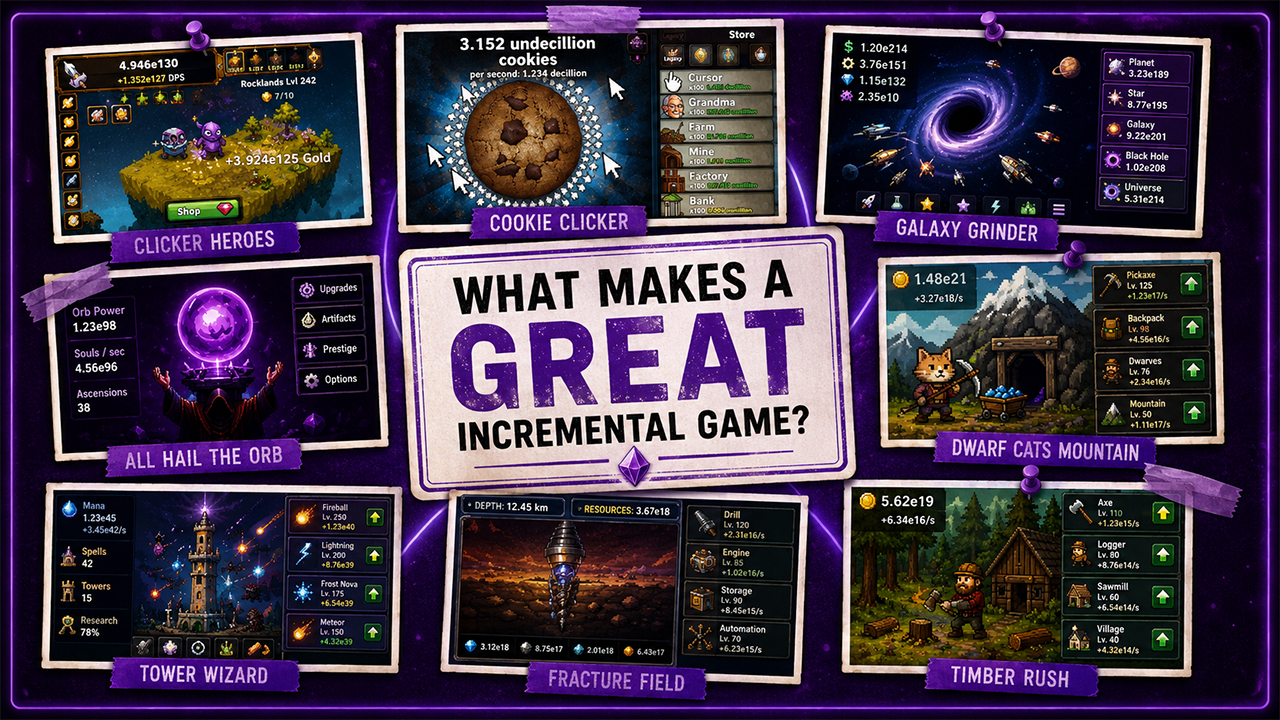
One of the most important ingredients in a great incremental game is visible progress. Players need to feel like their actions matter, even if those actions are relatively small. Early upgrades often arrive quickly, giving players a constant stream of rewards and achievements. Watching a resource income double, unlock a new feature or reach a milestone creates a sense of momentum that keeps people engaged. There's also a genuine psychological reward involved. Every upgrade, milestone or breakthrough provides a small dopamine hit that encourages players to keep pushing forward towards the next goal. It is a simple concept, but when done well it can be remarkably effective.
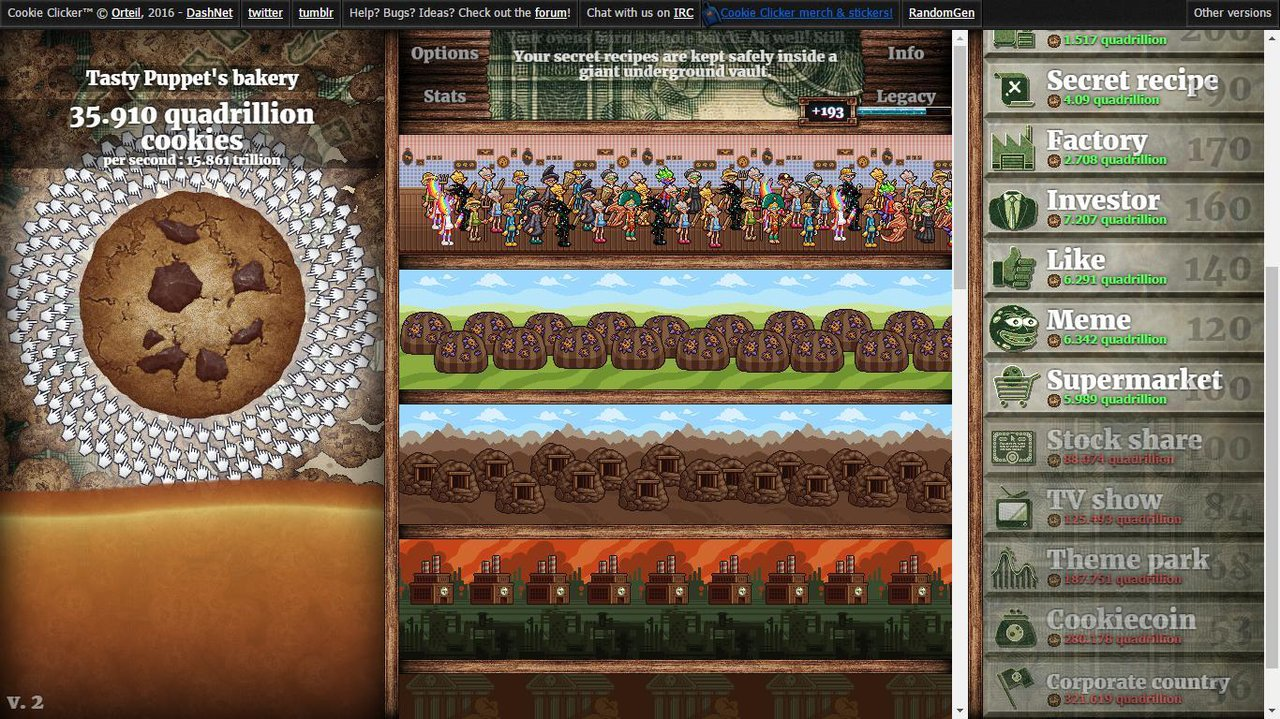
Games such as Clicker Heroes and Cookie Clicker demonstrate this principle perfectly. Their mechanics are easy to understand, yet they continually reward players with new upgrades, increased production and ever-growing numbers. Every small improvement feels meaningful because it contributes towards a larger goal. It is this constant sense of forward momentum that transforms simple mechanics into something surprisingly addictive.
Meaningful upgrades are another key part of the formula. The best incremental games do more than simply increase numbers. They introduce new mechanics, automation systems and decisions that change the way the game is played. Unlocking a new worker, production chain or resource generator should feel exciting because it opens up fresh possibilities rather than simply making an existing process happen faster. Progress becomes far more interesting when it changes the game itself rather than just speeding it up.
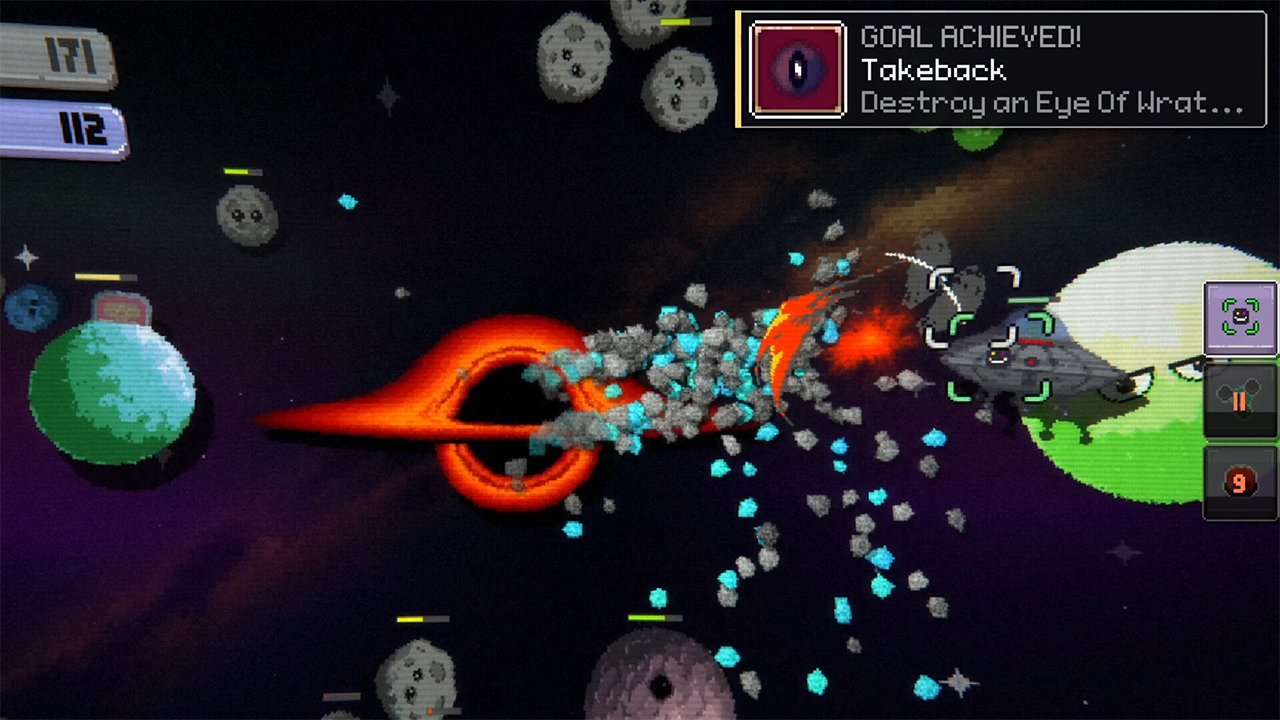
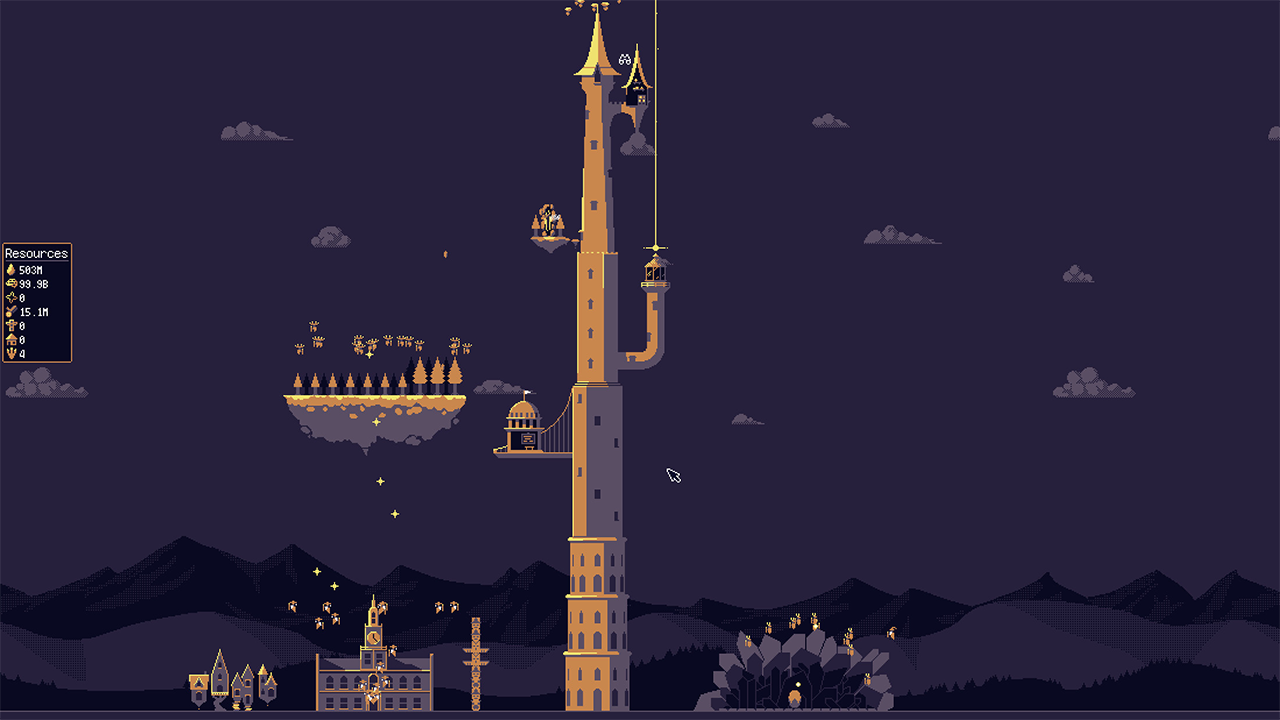
This is something modern incremental games continue to experiment with. In Fracture Field, progression is tied to strategic choices and long-term planning, while games such as Timber Rush blend resource gathering and automation systems to create a satisfying sense of growth. While the themes and mechanics may differ, both understand that players need to feel their decisions are shaping future progress.
Player choice is often what separates a good incremental game from a great one. Some games allow players to specialise in different strategies, prioritise certain resources or optimise production chains in unique ways. These decisions create a sense of ownership over the player's progress. Even when the underlying systems are relatively straightforward, having meaningful choices makes players feel involved rather than simply watching numbers increase automatically.
Theme and presentation also play a larger role than many people realise. While mechanics are important, players are often drawn in by a game's setting and personality. Dwarf Cats Mountain combines incremental progression with charming pixel art, while All Hail The Orb wraps its progression systems in a mysterious and magical atmosphere. These themes help make progression feel more meaningful because players become invested in the world surrounding the numbers.
A similar principle can be seen in games such as Tower Wizard and Galaxy Grinder. Both build their progression around a strong sense of identity. Players are not simply increasing values on a spreadsheet. They are constructing magical towers, exploring galaxies or unlocking entirely new layers of progression. The numbers matter because they represent meaningful advancement within the game's world.
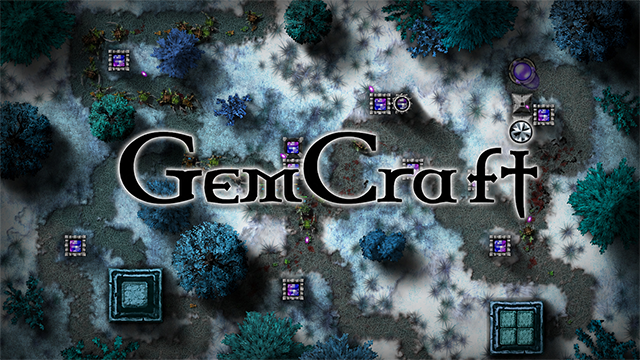
Why Has Gemcraft Remained So Well Played After All This Time?
💎 GemCraft has been captivating Tower Defence fans since 2008. Discover why its unique gameplay, clever progression and timeless design still keep me coming back after all these years.
Prestige systems also solve one of the genre's biggest challenges. Eventually every incremental game reaches a point where progress naturally slows. By offering players the opportunity to reset and begin again with powerful bonuses, developers can create an entirely new progression loop that keeps players engaged far longer than would otherwise be possible.
Ultimately, what makes a great incremental game is not the size of the numbers or how quickly they increase. It is the feeling of progression. The best games constantly provide players with new goals, meaningful choices and a steady sense of achievement. They transform simple mechanics into surprisingly engaging experiences by rewarding curiosity, planning and patience.
Whether you're clicking cookies, building magical towers, drilling ever deeper into the earth, managing production chains or exploring distant galaxies, a great incremental game always leaves you feeling that the next upgrade, milestone or breakthrough is just within reach. That anticipation is the real magic of the genre and the reason so many players keep coming back for just one more upgrade.
About De Tom Plays
De Tom Plays is a gaming website and YouTube channel focused on discovering hidden gems, indie games, demos, playtests, tower defence games, incremental games and cosy experiences. With more than 45 years of gaming experience, Tom shares gameplay videos, reviews and articles designed to help players find games worth their time.
Learn More About TomRelated Articles
More thoughts, discoveries and articles from De Tom Plays.
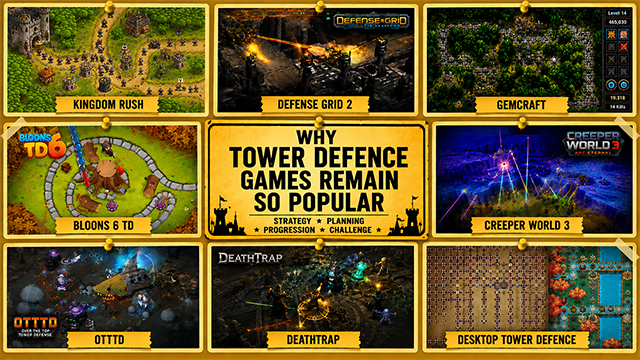
Why Tower Defence Games Remain So Popular
Discover why tower defence games continue to thrive and why players keep returning to the genre.
Read Article
What Makes A Great Tower Defence Game?
What separates a good tower defence game from a great one? Here's what years of playing them taught me.
Read Article